regulatory-ready clinical-grade actives supply chain raw material products

Advanced biosystems are built around a comprehensive selection of raw materials to manufacture advanced biological products.
Ensuring responsible procurement of such inputs is indispensable to sustainable success and conscientious scaling.
multiple challenges associated with traditional raw material procurement for instance pollution and systematic depletion of reserves. Accordingly, manufacturers should embrace green sourcing tactics to shrink their ecological impacts.
- Samples of circular procurement methods cover:
- Employing waste-stream inputs from industry leftovers
- Installing reclamation workflows to diminish waste and heighten recovery
- Aligning with domestic providers that adhere to transparent sourcing
The transition to greener sourcing offers both planet-friendly outcomes and business advantages.
Improving Biomass Inputs to Boost Biofuel Yields
Advancing fuel production depends on feedstock consistency and composition. Analysts tirelessly probe advances to elevate feedstock conversion, facilitating elevated yields and a renewable energy transition. Methods encompass cellular engineering to augment biomass output and refining processes to liberate fermentable carbohydrates.
- Similarly, research probes algae, byproduct streams, and harvest remnants as potential sustainable sources to augment biofuel feedstocks.
- Thanks to continuous exploration the sector is prepared to realize considerable strides toward an eco-friendlier energy mix.
Enhanced Upstream Strategies for Biopharmaceutical Yield
covers the early phases of biopharma production including culturing and biological harvesting Contemporary breakthroughs have refined protocols and elevated product throughput.
Important innovations consist of upgraded cell platforms, customized nutrient matrices, and smart bioreactor solutions. These advances improve throughput while lowering both operational expenses and N-Acetylneuraminic acid ecological footprints.
- Additionally, a shift to integrated continuous operations is providing enhanced flexibility and responsiveness in production.
- The progression to advanced biomanufacturing approaches should modernize the field and quicken therapeutic progress.
Molecular Editing Strategies to Increase Bioproduct Output
innovations in genome-editing toolsets have enhanced biopharmaceutical manufacturing. By accurate genomic tuning, developers enhance yields of critical biopharmaceuticals. This capability can unlock development of cost-efficient, high-performance biologics for many conditions.
Biodegradation Strategies Using Targeted Microbial Cultures
forward-looking microbial interventions for environmentally friendly decontamination. Selected microbial cultures can remediate contaminants through biodegradation pathways.. Utilizing microbial metabolism supports eco-friendly site cleanup methods that limit secondary harm from remediation.. Investigators study multiple microbial strains for abilities to transform metals, degrade agrochemicals, and process petroleum wastes.. Microbial cultures can function in contained bioreactors or be deployed onsite to facilitate biodegradative remediation..
Microbe-based remediation provides compelling advantages over standard remediation methods. This method provides a low-cost, low-waste alternative to conventional remediation. In addition, microbial approaches enable pollutant-specific treatment without broad ecological disruption. Advancements continue apace to increase the speed, efficiency, and applicability of microbial remediation techniques.
Data-Driven Approaches for Therapeutic Development
Computational biology approaches are becoming vital across contemporary drug R&D. From identifying potential drug candidates to optimizing their efficacy and safety, bioinformatics enables a more efficient and data-driven approach.
- Through evaluating comprehensive genomic, proteomic, and clinical data, teams detect novel targets and predict drug action.
- Furthermore, computational modeling of drug–target interactions aids rational design of higher-performing therapeutics.
- In the end, informatics-driven methods streamline development and accelerate delivery of therapeutic solutions to patients.
Engineering Cellular Pathways for Improved Bioproduct Output
uses diverse methods to increase biosynthesis of target bioproducts in organisms. Strategies involve pathway refactoring by genetic modification, expression modulation for balanced flux, and grafting of novel genes to add capacity.. Through strategic metabolic edits practitioners can markedly increase the synthesis of target products.
This comprehensive strategy could transform numerous sectors such as pharmaceuticals, farming, and renewable energy.
Barriers and Benefits When Expanding Biopharmaceutical Manufacturing
Industrial-scale production introduces demanding hurdles as well as strategic advantages. Keeping consistent product performance at elevated volumes is a significant challenge. Solving it involves resilient control frameworks, high-resolution monitoring, and modern analytical tools.
The multi-faceted nature of production steps adds complexity to scaling efforts. Scaling optimization is a resource-intensive task that calls for substantial innovation and study.. Nonetheless, the advantages can be major. Skilled scaling can enlarge supply, lower prices, and increase profit potential.
Several projects are designed to mitigate these scaling barriers. These include the development of new technologies for process optimization, advanced analytics for real-time monitoring and control, and innovative manufacturing strategies.
- Technology development efforts underpin advances in production capability.
- Regulators are reforming approval systems to facilitate adoption of advanced manufacturing and nurture innovation.
Exploring Approval Frameworks for Biopharmaceutical Safety and Effectiveness
The development of biopharmaceuticals is a complex process that requires stringent regulatory oversight to ensure both patient safety and product efficacy. Therapies derived from biological organisms carry special considerations not typical of conventional pharmaceuticals.
Bodies like FDA and EMA shape the regulatory landscape and set benchmarks for evaluating innovative therapies..
Stringent experimental and surveillance testing occurs across the entire development-to-market continuum. These controls function to identify dangers and ensure biopharmaceuticals achieve premier safety standards..
Likewise, authorities progressively modify regulatory tactics to follow the speed of innovation in biopharma.. Measures involve adopting innovative technologies and enabling development acceleration without compromising patient welfare.
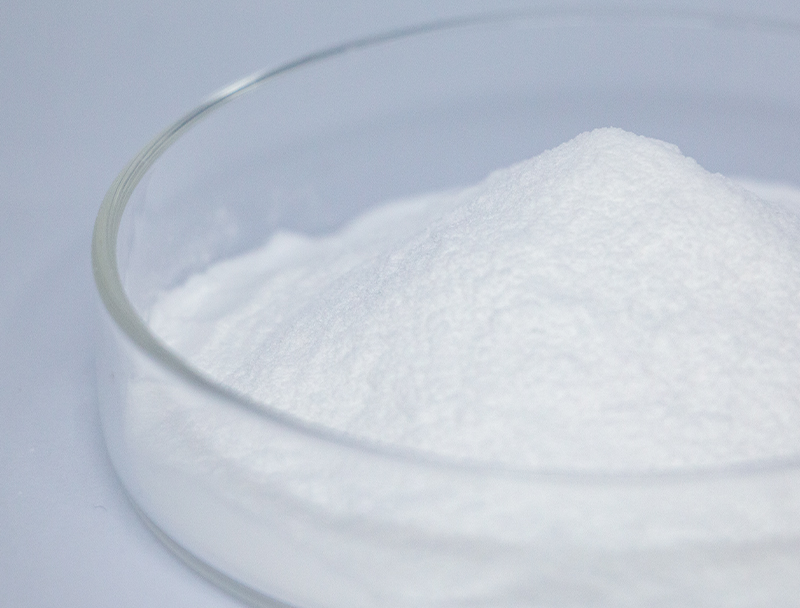
Plant-Based Biomass Options for Bioplastic Manufacturing
Increasing interest in sustainable materials spurs innovation in renewable resource development. Using plant feedstocks to make bioplastics gives a promising direction for sustainable material development. Biomass sources such as cornstarch, cellulose, and sugarcane are usable to produce plastics that biodegrade and reduce ecological impact.
Concurrently, several bioplastic formulations approximate conventional plastic traits and serve wide-ranging applications. Persistent innovation will be key to advancing plant biomass into mainstream bioplastic manufacturing for a circular future.
Biotechnology's Potential to Transform Health and Food Supply
Biotech innovations hold promise to dramatically impact health and the reliability of food systems. Through CRISPR, synthetic circuit design, and cell therapy progress, developers generate methods to counter infectious agents, optimize crops, and elevate nutritional profiles.. To illustrate, modified plants designed for pest resilience and environmental tolerance can raise outputs and reduce pesticide application.. Likewise, biotechnology enables new vaccines, novel therapeutics, and improved diagnostics essential to global disease mitigation and better health.. As the field evolves, biotechnology is expected to play a pivotal role in shaping a healthier and environmentally sustainable future for all.
Calcium 2-oxoglutarate